World Bread Day: The Timeless Value of Authentic Bread
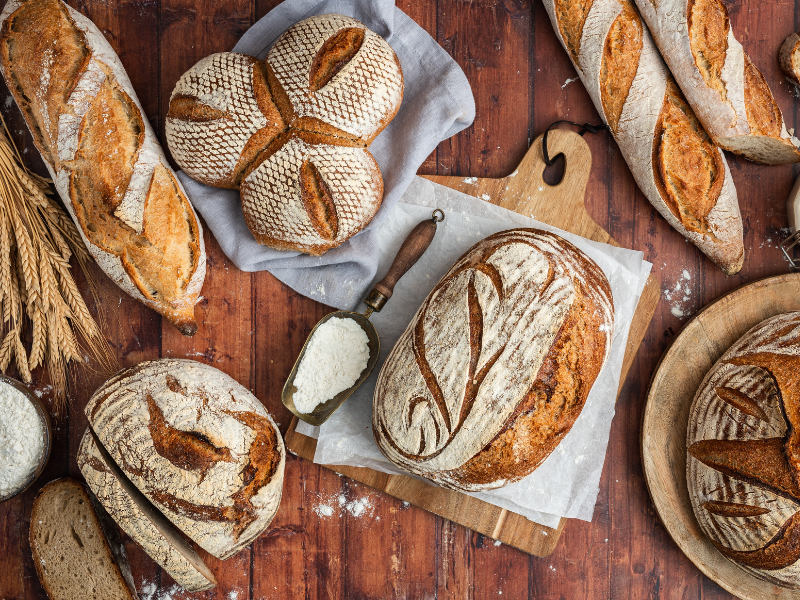
Bread has been part of human life for thousands of years. From the earliest simple doughs made from ground grains to the bread we know today, its history is closely linked to the evolution of food, family life, and everyday traditions. World Bread Day, celebrated on October 16, is a perfect opportunity to remember that behind such an everyday product lie knowledge, craftsmanship, and centuries of tradition.
Throughout history and across different cultures, bread has taken many forms. Grains, techniques, shapes, and recipes have changed, yet its place at the table has remained constant. Even today, when consumers have more choices than ever before, there is growing interest in bread made using more traditional, authentic production methods. High-quality ingredients, natural sourdough, proper techniques, and time are once again taking center stage.
Slow fermentation is a characteristic example of this return to traditional methods. The process requires patience and expertise, highlighting the baker's craftsmanship and the importance of every stage of production. Through Loulis Mills' slow fermentation recipes, baking professionals can explore different applications of this philosophy.
It is with this approach in mind that the Authentic Artisanal Flour range was developed. Mylema is produced from premium soft wheat varieties and can be used, among other applications, to create slow-fermented baguettes. Chrysostachy is made from selected Greek durum wheat varieties and provides the foundation for authentic slow-fermented country-style bread. Efkarpo is a rye-wheat flour blend, while Spora is a whole wheat flour made from selected durum wheat varieties. These last two flours are also combined in the recipe for slow-fermented whole wheat bread.
The Authentic Artisanal range is part of a much broader product portfolio, allowing baking professionals to select the most suitable flour for the products they wish to create. Breadmaking Flours, Country-Style Flours, Premium Flours, and Organic Flours cater to different needs and production techniques.
Ultimately, World Bread Day reminds us of something simple: as breadmaking continues to evolve, the value of good bread remains unchanged. It begins with the quality of the ingredients, takes shape through technique, and is perfected with time, dedication, and the craftsmanship of the person who creates it.