October 16th, World Bread Day!
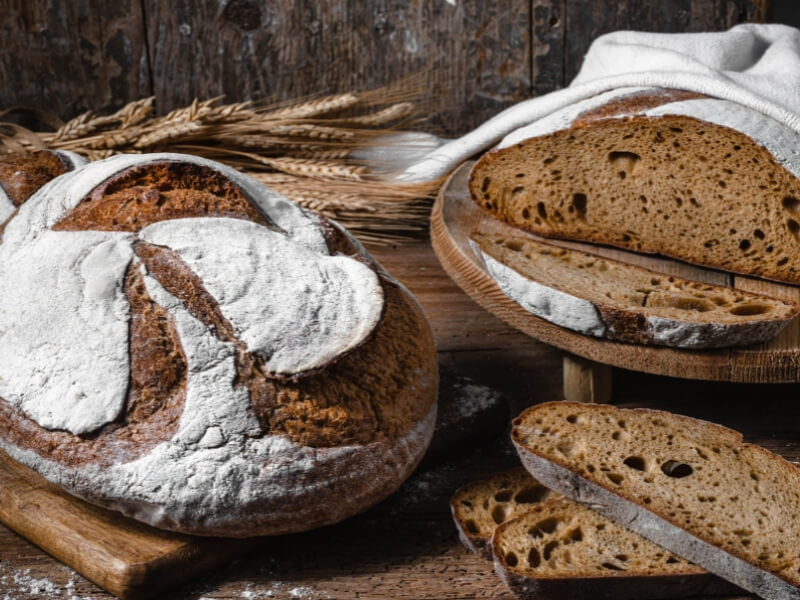
What makes it so special? Why has its significance remained steadfast through the centuries? Why does everyone love it? The answer, of course, is bread—and its universal acceptance by humanity!
In some cultures, bread is considered the essence of life; in others, it’s a fundamental ingredient that enhances both sweet and savory flavors. One thing is undeniable: its consumption comes immediately after water, adorning every table. Today is dedicated to celebrating the importance of bread and its many forms—and rightly so!
The cornerstone of bread, wheat, was first cultivated in Mesopotamia, and its earliest use involved simply chewing the grain. Later, people began crushing it and mixing it with water.
The resulting thick mixture, when placed over fire, created the first primitive breads—hard flatbreads. Over time, some mixtures began to ferment naturally due to the microorganisms present in the flour, producing a tastier result.
To preserve this successful form, a piece of dough that had risen was kept and added to the next batch—essentially creating the precursor to modern sourdough, which closely resembles what we enjoy today. The history of bread had begun.
Bread reflects the daily lives of people and societies over time. In Ancient Egypt, it held monetary value and was sometimes used as payment. In Ancient Greece, bread was often offered to the gods, especially Demeter, the goddess of agriculture and prosperity. In Ancient Rome, bread had social distinctions: dark bread was associated with lower classes, while white bread signified imperial status. Today, bread is the most widely consumed food globally.
In modern Greece, bread carries traditional significance and is a staple at family tables. Its many forms often become a centerpiece for gatherings, conversation, and even modern-day feasting with wine. Its religious role in the Eucharist also imparts a sacred character to it.
Bread is rich in complex carbohydrates and dietary fiber, and also provides B vitamins such as thiamine and niacin, along with calcium, iron, and other minerals. The vitamin E content offers antioxidant properties. Packaged bread, however, contains much lower concentrations of these nutrients due to preservatives. Today, on World Bread Day, feel free to enjoy any type of bread in any quantity—you’ve got full permission to indulge!
For 7 generations, Loulis Mills has supported industry professionals, focusing on continuous education, development, and up-to-date information. Subscribe to our newsletter to be the first to receive useful articles, industry news, and information about recipes and products that interest you.