From Flour to the Final Product: The Importance of Quality Control in Improving Your Bakery’s Operations
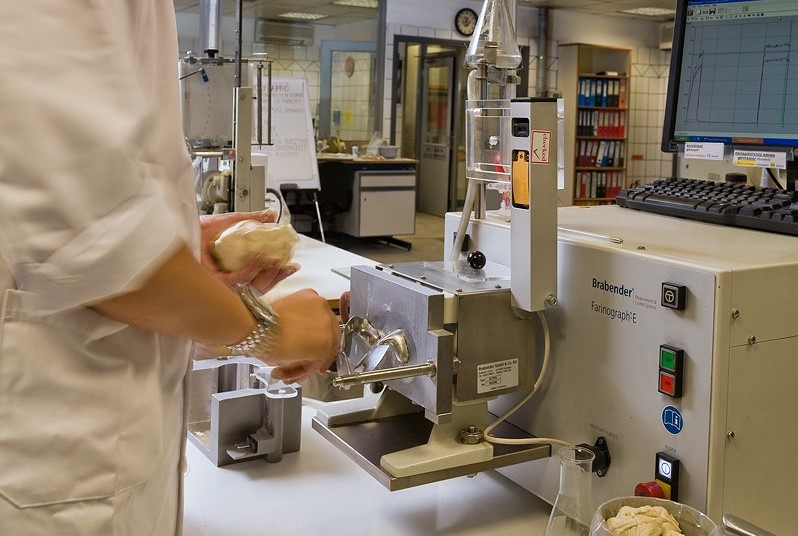
From Flour to the Final Product: The Importance of Quality Control in Improving Your Bakery’s Operations
As a cornerstone of the food industry, the bakery sector is responsible for distributing a wide range of products—from bread and baked goods to cakes and cookies. From selecting the right flour to applying the proper baking techniques, every step of the process can affect the quality of your products. For this reason, quality control in bakery businesses often becomes more than just necessary—it is essential.
Did you know that flours are considered more suitable depending on their intended use? For example, during the baking process, dough behaves differently depending on whether gluten-free flours are used or not, as well as on the protein levels they contain. Beyond proper matching of ingredients, other factors that must be taken into account include ensuring that all products meet established quality standards—something that ultimately leads to increased efficiency in your business.
Quality control processes include employee training in checks and inspections, as well as the development of standard operating procedures. In this way, you can identify potential issues in the production process and take corrective actions before products reach your customers, reducing costs and saving valuable time.
Along these lines, and in order to maintain food safety and integrity, quality control includes procedures that thoroughly check:
- for contaminants in flour
- whether clean equipment is being used
- if all hygiene protocols are strictly followed
- whether inventory is properly managed
Regarding the latter, quality control should ensure that all raw materials used in production are fresh and of high quality. Therefore, it is important to monitor expiration dates, storage conditions, and supply chain management, ensuring that fresh ingredients are always available.
One form of quality control involves simple visual inspection techniques to ensure that products have a consistent and uniform appearance. Make sure that the size, shape, and color of each product show no defects or deformities before they reach your customers.
Effective quality control is also ensured through consistency. This means that in order to satisfy your customers—who rely on their favorite bakery to offer the same delicious products every day—precise measurement of ingredients using standardized recipes must be strictly followed.
Naturally, quality control, like most things, begins with the right raw materials. Starting from flour and continuing through to the baking process, all intermediate procedures serve as a guarantee of the excellence achieved in the final product.
At Loulis Mills, for seven generations we have continuously supported professionals in the bakery sector, focusing on ongoing education, development, and up-to-date knowledge. Subscribe to our newsletter to be the first to receive useful articles, industry news, and information about recipes and products that interest you!